Home / News and Articles / Refunds
RefundsHow long does a tax refund take in 2027? Timeline, delays and how to track it.
By Jane Bono · Published · Updated · 10 minute read
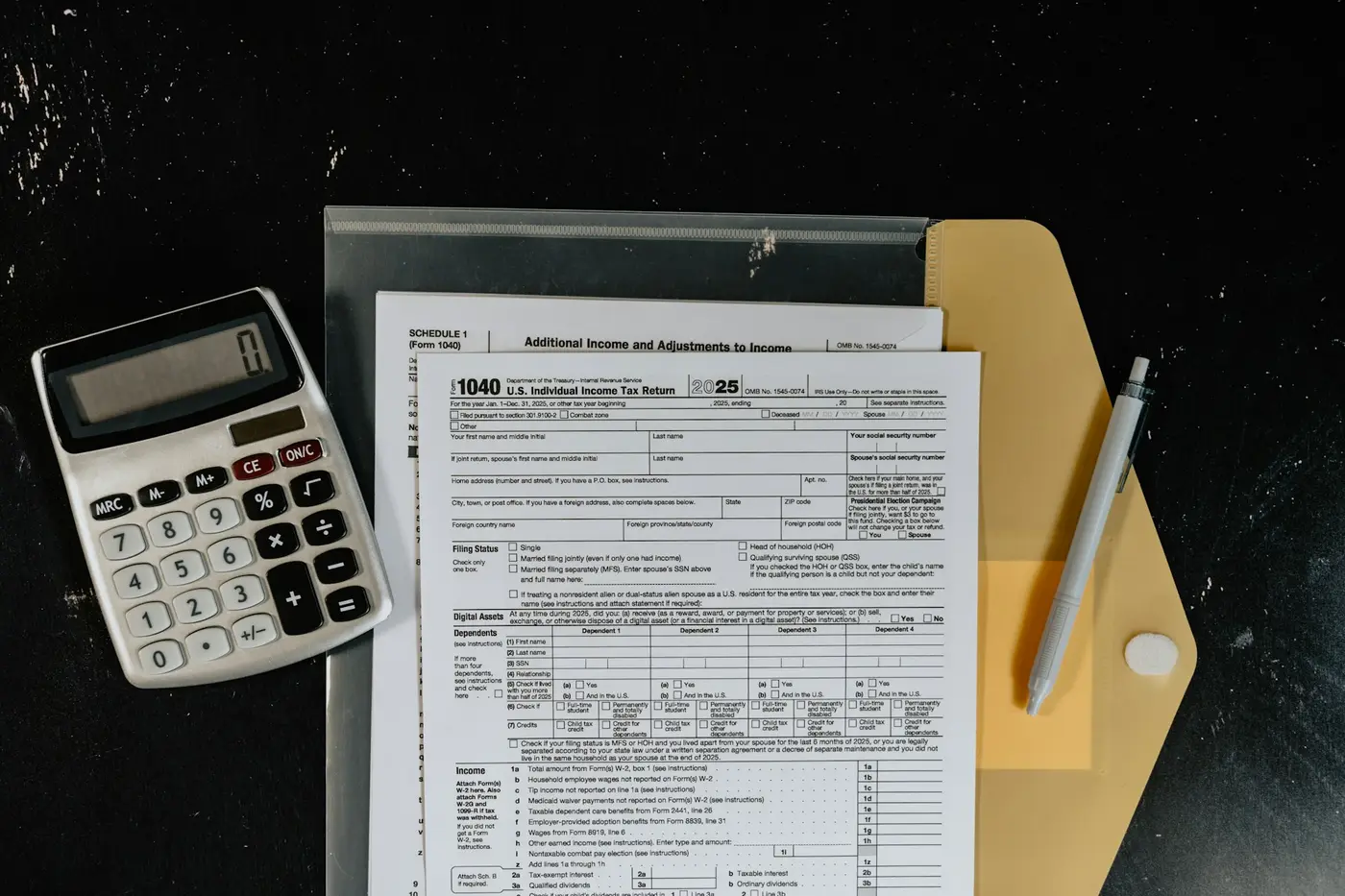
“When will I get my refund?” is the question we hear most from January to April. The honest answer is that the IRS decides, but the timing is far more predictable than most people think, and the biggest delays are ones you can avoid. This guide explains the typical timelines for returns filed in 2027, what holds refunds up, and how to track yours.
The short answer
The IRS says it issues most refunds within 21 days of accepting an e-filed return with direct deposit. Paper returns take much longer. Refunds that include the Earned Income Tax Credit or the Additional Child Tax Credit cannot be issued before mid-February by law. Amended returns take months.
Days from when the IRS accepts or receives the return. Returns pulled for review take longer.
Source: IRS refund guidance at IRS.gov/refunds
Step by step: what happens after you file
| Stage | What it means | Typical timing |
|---|---|---|
| Accepted | The IRS received the e-file and it passed basic checks | Within 24–48 hours of e-filing |
| Return received | Shown in Where's My Refund once processing starts | About 24 hours after e-file acceptance |
| Refund approved | The IRS has finished processing and set a date | Most within 21 days |
| Refund sent | Money sent to your bank or mailed | Banks may take a few days to post it |
Acceptance only means the return arrived and the basic identifiers matched. It is not approval of the refund.
The mid-February rule for EITC and Child Tax Credit refunds
A federal law known as the PATH Act prevents the IRS from issuing refunds that include the Earned Income Tax Credit or the Additional Child Tax Credit before mid-February. The whole refund is held, not just the credit portion. In recent years the IRS has said most of these refunds arrive by early March for people who file early, choose direct deposit and have no issues.
Filing in January still helps: your return is processed in order, any problems surface sooner, and you reduce the chance of an identity thief filing first. Read our family tax credit guide for how the credits work.
What delays a refund
- Mismatched identity details: a name, Social Security number or date of birth that does not match Social Security records.
- Missing or mismatched income: a W-2 or 1099 left off, or numbers that differ from what the employer sent the IRS.
- Identity verification: the IRS may hold the return and send a letter (such as 5071C or 4883C) asking you to verify who you are.
- Duplicate dependents: another person claimed the same child.
- Math or credit errors: the IRS corrects the return and may change the refund.
- Wrong bank details: a mistyped account number can bounce the deposit back to the IRS.
- Paper filing: a paper return has to be keyed in by hand.
- Prior-year problems: unfiled returns or unresolved notices can hold a current refund.
File electronically, choose direct deposit, and bring every W-2 and 1099 the first time. An accurate first return avoids almost every delay on this list. See our documents checklist.
Refund offsets: when the refund is smaller than expected
If you owe certain debts, the Treasury Offset Program can take part or all of your refund to pay them: past-due child support, federal student loans in default, some state debts, and earlier federal tax. You will receive a notice explaining the offset. If you filed jointly and the debt belongs only to your spouse, you may be able to recover your share with Form 8379, Injured Spouse Allocation.
Direct deposit versus paper checks
Direct deposit is faster and safer. The federal government has been phasing out paper checks, so providing correct bank details is more important than ever. You can split a refund into up to three accounts. Make sure the account is in your own name; banks may reject deposits to accounts in someone else's name.
How to track your refund
- Use Where's My Refund? at IRS.gov or the IRS2Go app. You need your Social Security number or ITIN, filing status and the exact refund amount.
- It updates once a day, usually overnight, so checking more often will not show anything new.
- Your IRS online account at IRS.gov/account shows processing status, notices and payment history.
- Calling the IRS will not speed things up, and they generally cannot help before 21 days have passed for e-filed returns.

A realistic calendar for early filers in 2027
| Your situation | What to expect |
|---|---|
| W-2 only, no EITC or ACTC, e-filed early with direct deposit | Usually within about three weeks of acceptance |
| Claiming EITC or the Additional Child Tax Credit, e-filed in January | Not before mid-February; many by early March |
| Self-employed with a refund | Similar to W-2 filers if records are complete |
| Paper return | Six weeks or more |
| Amended return | Up to 16 weeks, sometimes longer |
These are typical timelines, not promises. No preparer can speed up the IRS or guarantee a date, and you should be wary of anyone who claims to.
If you need the money sooner
Some people look at a refund advance while they wait. A refund advance is a loan, not your refund: approval is not guaranteed, and eligibility, fees and repayment are explained in writing before you agree. See refund advance to understand the terms, and compare it with simply waiting.
If your refund is late: what to do
- Wait until at least 21 days after e-file acceptance (six weeks for paper) before worrying.
- Check Where's My Refund and your IRS online account for messages.
- Look for a letter. Identity verification and correction notices arrive by mail and the refund waits until you respond.
- Confirm the bank details on your return match your account exactly.
- If a notice arrives, bring it to us with the return; we will explain what the IRS needs.
Protect your refund from identity theft
Refund fraud happens when someone files a return using your Social Security number before you do. The IRS then holds your real return until you prove your identity, which can add weeks or months. Two habits reduce the risk: file early, and get an Identity Protection PIN from the IRS. The IP PIN is a six-digit number that changes every year; without it, a return using your Social Security number is rejected. Anyone with a Social Security number or ITIN can request one through IRS.gov.
Texas residents: one refund, not two
Because Texas has no state income tax, most Dallas households receive only a federal refund. If you worked in another state during the year, for example on a temporary job in Oklahoma or Louisiana, you may also have a state return and a state refund, which follows that state's own timeline.
Planning what to do with it
A refund is often the largest single payment a family receives all year. Deciding in advance where it goes, such as bills, debt, an emergency fund and upcoming costs, makes it go further. Our article on planning your tax refund has a simple split many clients use. And if you consistently receive a very large refund, it may be worth adjusting your withholding so you have more money in each paycheck instead.
Refund or balance due: it comes down to withholding
A refund is not a bonus from the IRS; it is your own money returned because more was withheld or paid during the year than your final tax, plus any refundable credits. If you received a large refund, you could have had that money in your paychecks instead. If you owed, too little was withheld. You can adjust this by giving your employer a new Form W-4, and the IRS Tax Withholding Estimator at IRS.gov shows what to enter. Self-employed people manage the same balance through quarterly estimated payments. We are happy to check your withholding with you after filing, so next year's result is closer to what you want.
- Big refund every year: consider lowering withholding, unless you prefer the forced savings.
- Owed money this year: raise withholding or make estimated payments.
- New job, second job or marriage: review your W-4 right away.
Common questions
Why does Where's My Refund say “still being processed”?
Your return is in the queue or under review. If it has been more than 21 days since e-file acceptance, look out for a letter from the IRS and bring it to us.
My refund is less than I expected. Why?
Usually an offset for a debt, or an IRS correction to a credit or math error. You will receive a notice explaining the change; read IRS letters explained.
Does filing on the first day get me paid first?
It helps you get in the queue early, but EITC and Additional Child Tax Credit refunds still wait until mid-February.
Can you tell me my exact refund date?
No preparer can. We can make sure the return is accurate and e-filed promptly, which is what gives you the best chance of a fast refund.
Want an accurate return filed the first time? See our tax preparation service, book a free consultation or call 972-686-1005. This article is general information, not tax advice for your situation.
This article is general information, not tax advice. What applies to you depends on your situation.
Need help with this?
Your first consultation is free.
 Tax Deadlines and Updates2026 federal tax brackets explained, with examples and charts.
 Self-Employed and 1099Self-employed and 1099 taxes: the complete guide for 2026 returns.
 Tax Deadlines and UpdatesThe new tax law: what changes on your 2026 tax return.