Home / News and Articles / Self-employed
Self-employedEstimated tax payments: who has to pay them, and when.
By Jane Bono · Published · 3 minute read
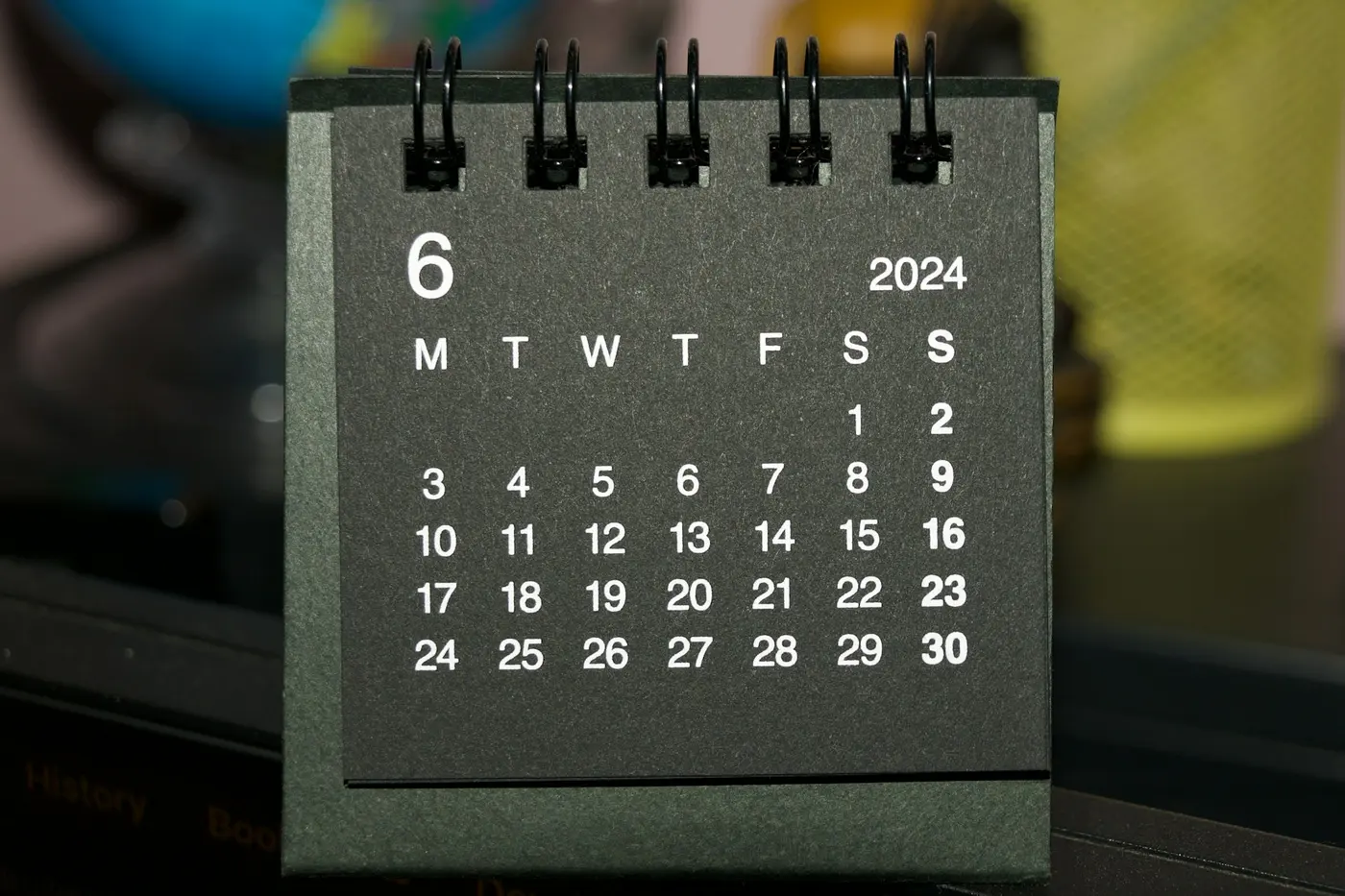
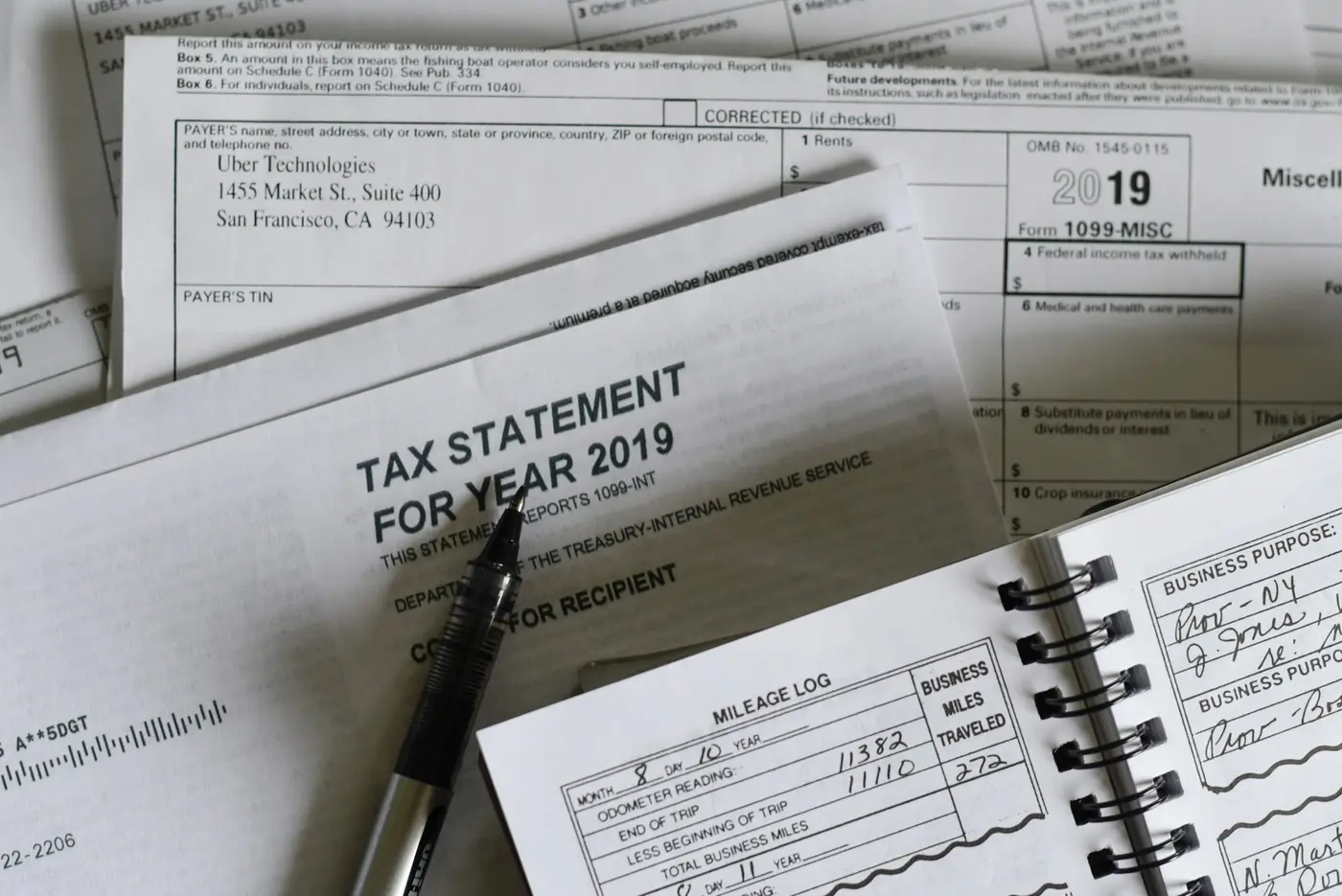
When you work for yourself, nobody withholds tax from your pay. The IRS expects you to pay during the year, not all at once in April.
Who needs to pay
Generally, you should make estimated payments if you expect to owe $1,000 or more when you file, after withholding and credits. That includes most gig workers, freelancers, landlords and small business owners.
The four dates
- April 15: income from January to March
- June 15: April and May
- September 15: June to August
- January 15 of the next year: September to December
When a date falls on a weekend or holiday, it moves to the next business day.
You usually avoid an underpayment penalty if you pay at least 90% of this year's tax, or 100% of last year's tax (110% if last year's income was over $150,000).
Make it simple
- Put aside a set share of every payment in a separate savings account.
- Pay online through IRS Direct Pay or your IRS Online Account.
- Have a W-2 job too? Raising your withholding there can cover your side income instead.
The Quarterly Tax tab in our Self-Employed and Schedule C Tracker shows what to set aside each quarter. For your own numbers, book a free consultation.
This article is general information, not tax advice. What applies to you depends on your situation.
Need help with this?
Your first consultation is free.
 Tax Deadlines and Updates2026 federal tax brackets explained, with examples and charts.
 Tax Deadlines and UpdatesThe new tax law: what changes on your 2026 tax return.